
Electronic Leak Detection in Roofing & Waterproofing
How we can use electricity to get the job done!

Introduction to Electronic Leak Detection
Electronic Leak Detection (ELD) is revolutionizing the way we identify and address leaks in roofing and waterproofing systems. This innovative technology offers a precise, non-destructive method for detecting breaches in membranes that are often invisible to the naked eye.
How Electronic Leak Detection Works
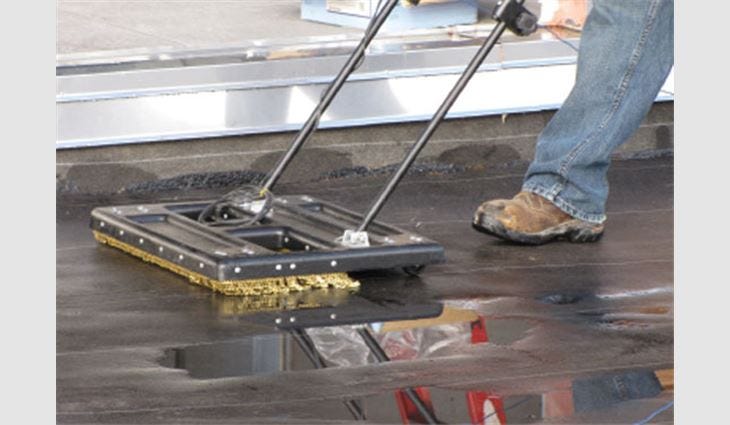
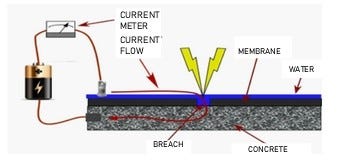
ELD systems work by creating an electrical potential difference between a non-conductive roof membrane and a grounded conductive structural deck or substrate. The process involves applying water to the surface of the membrane and using it as a conductive medium. When a breach is present, the water creates an electrical connection to the grounded deck, allowing technicians to pinpoint the exact location of the leak.
Types of Electronic Leak Detection Systems
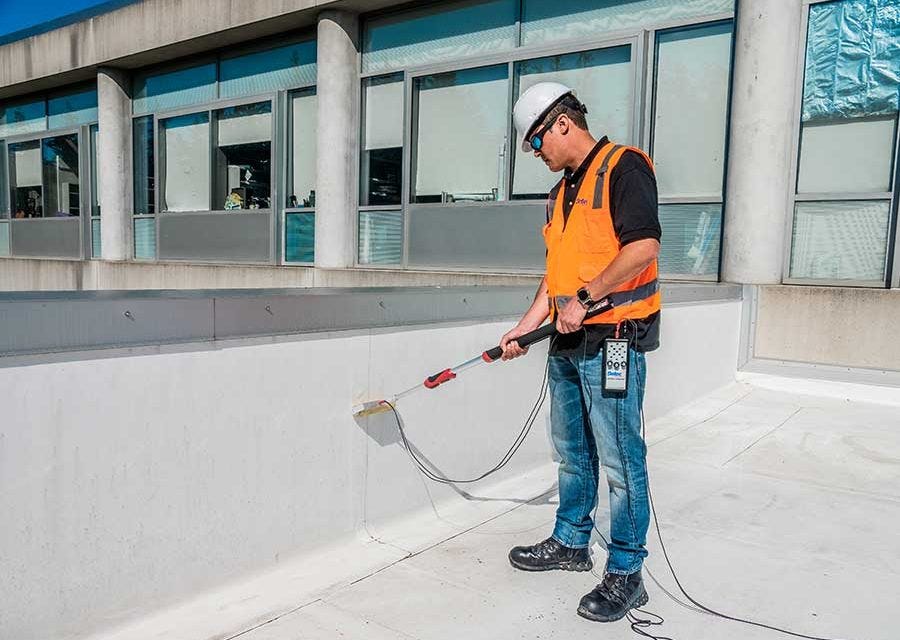
There are two main types of ELD systems: low-voltage and high-voltage. Low-voltage systems are more common and involve applying a small electrical charge to the waterproof membrane. High-voltage systems, on the other hand, use a higher voltage charge and are typically used for thicker membranes or larger commercial roofing applications.
Benefits of Electronic Leak Detection
The benefits of ELD are numerous. It offers superior accuracy, detecting even the smallest leaks that traditional methods like flood testing might miss. ELD is also significantly faster than conventional leak detection techniques, with the ability to test up to 40,000 square feet per day. This efficiency translates to cost savings for building owners, as early detection prevents minor issues from escalating into major problems.