
Electricity Generating Roof Shingles 🏡☀️⚡
Will they ever go mainstream?

How do they Work?
Photovoltaic shingles, also known as solar shingles, combine the function of traditional roof shingles with the ability to generate electricity from sunlight. Unlike bulky solar panels that sit on top of a roof, these shingles mimic the appearance of typically used roofing materials like asphalt or slate. This design allows building owners to maintain the look of their home while producing clean, renewable energy.
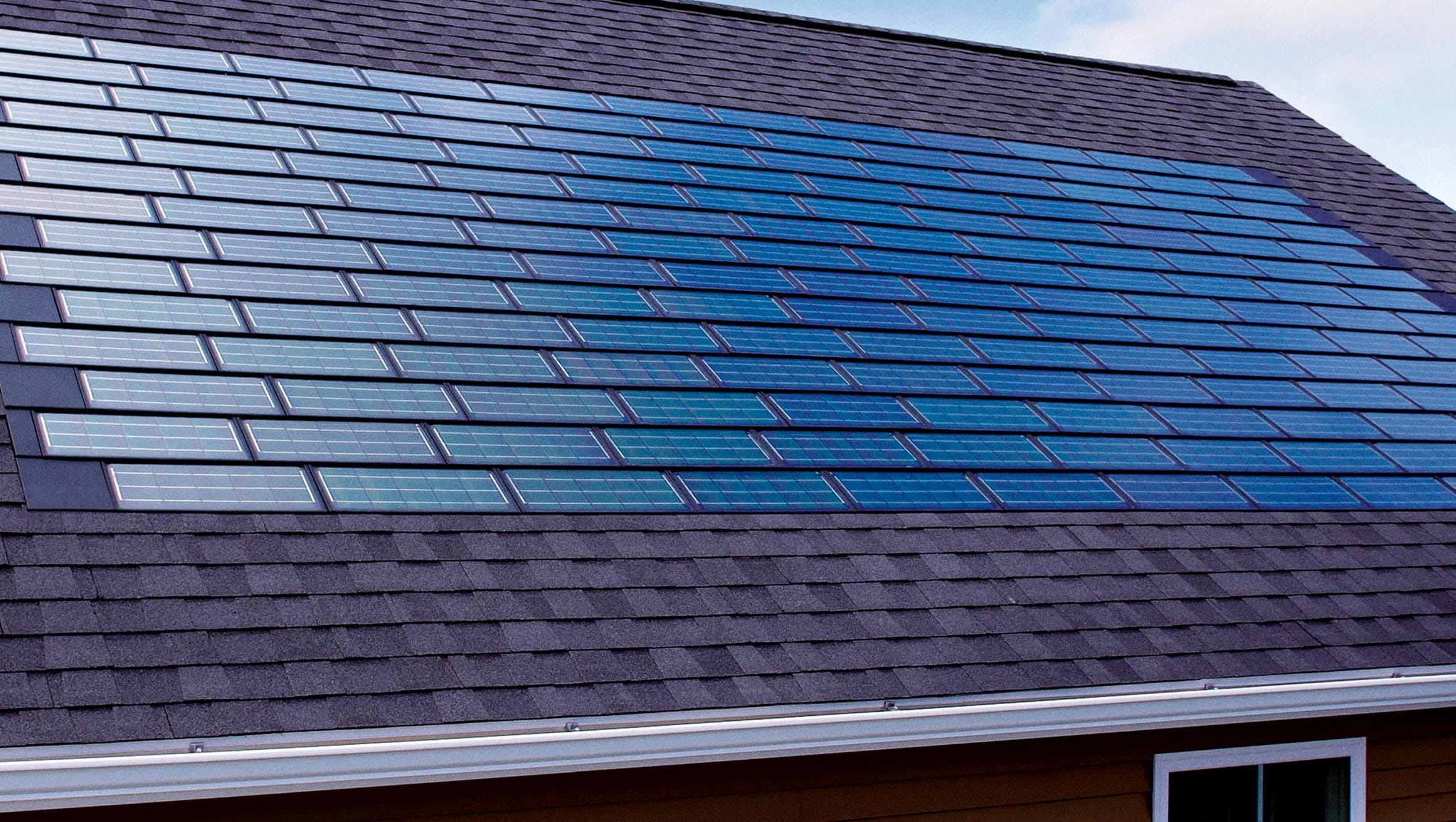
Each solar shingle contains photovoltaic (PV) cells that absorb sunlight and convert it into electricity, reducing reliance on the grid and lowering energy bills. The shingles are wired together and connected to an inverter, which changes the electricity from direct current (DC) to alternating current (AC), the type used by household appliances.
Biggest Barriers to Mainstream Adoption
Despite their promise, several major barriers have slowed the widespread adoption of photovoltaic shingles:
High Cost: Solar shingles are generally more expensive than traditional solar panels and standard roofing materials. The technology is still early-stage, and because it hasn’t yet been produced at a large scale, manufacturing costs remain high. This leads to a cycle where high prices keep demand low, which in turn prevents prices from dropping.
Technical Complexity: Installing solar shingles is more complex than traditional roofing or solar panel installation. It often requires specialized knowledge and coordination between roofing contractors and solar installers, adding to the project’s cost and complexity.
Limited Installer Expertise: There’s a shortage of professionals trained to install and maintain these systems, making it harder for consumers to find reliable service.
Permitting and Regulation: Building codes and permitting processes are often not tailored to this new technology, leading to confusion and delays.
Performance Concerns: In some cases, solar shingles may be less efficient than traditional solar panels due to their orientation and integration with the roof, leading to longer payback periods.
Awareness: Many homeowners, architects, and builders are simply unaware of the technology or its benefits, so they don’t consider it when planning new buildings or renovations.
When Will Solar Shingles Become Mainstream?
Solar shingles are expected to become more popular as technology advances, manufacturing scales up, and costs come down. Market analysts predict steady growth in the coming years, especially in regions with strong government incentives and a focus on sustainable building practices. North America currently leads the market, but adoption is also rising in Europe and Asia. As more companies enter the market and products become more reliable and affordable, solar shingles could become a common choice for new roofs, especially in residential construction, within the next decade.
--
Arjun Bir, PE (GA, AL, TN, SC, NC), RRC, RRO
Principal & Unit Manager (Atlanta)
Copeland Building Envelope Consulting
About Me | Projects | Expertise
Schedule a Call | LinkedIn