
Breaking Point ⛓️💥🪟
How Nickel Sulfide Inclusions Lead to Spontaneous Glass Fractures


What is a Nickel Sulfide inclusion?
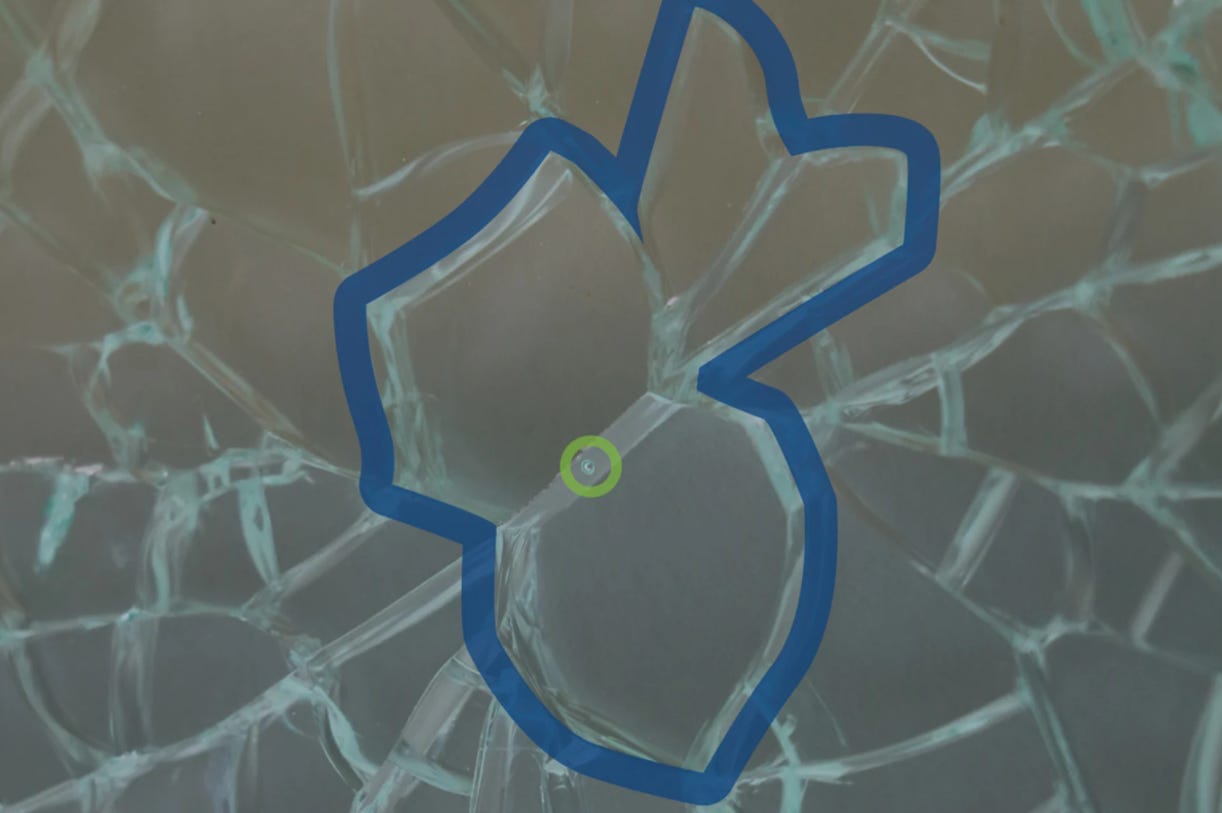
Nickel sulfide inclusions are microscopic impurities that can cause tempered glass to shatter unexpectedly. These inclusions form during glass manufacturing when nickel contaminants mix with sulfur, creating unstable particles within the glass. Though tiny, they can have big consequences, sometimes leading to spontaneous fractures years after installation.
How do they cause spontaneous glass fracture?
During the tempering process, these inclusions are trapped in a high-energy state. Over time, they slowly revert to their stable form, expanding in the process. If an inclusion is positioned near the center of a tempered glass panel—where internal stresses are highest—it can trigger sudden, unpredictable failure.
Tell-tale sign: the cat eye pattern
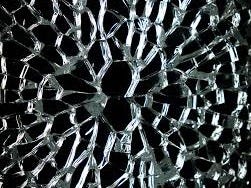
One recognizable clue to nickel sulfide breakage is the “cat eye” fracture pattern. This shape emerges as the glass shatters outward from the inclusion site, helping experts pinpoint the cause of failure
Mitigating risk through heat soak testing
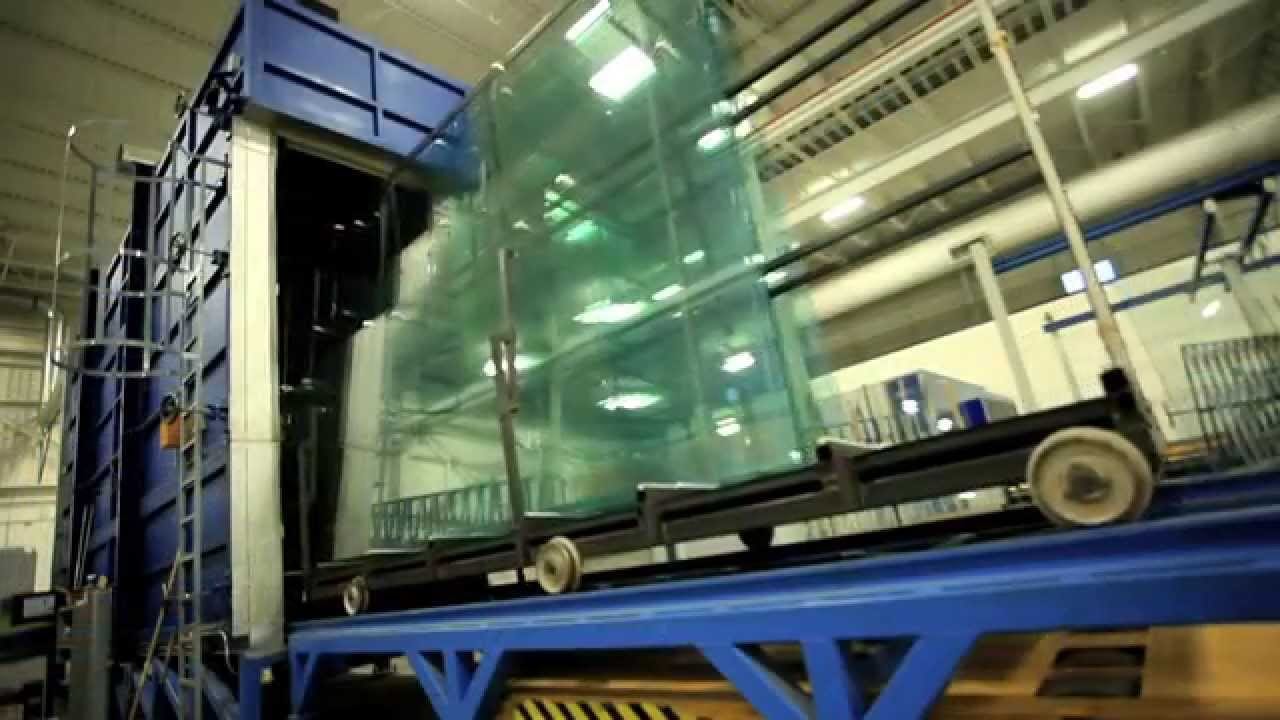
To mitigate this risk, manufacturers can use heat soak testing, a process that accelerates the expansion of nickel sulfide inclusions before the glass is installed. By heating tempered glass to around 290°C for several hours, this test forces defective panels to break in a controlled setting rather than in service. While heat soaking significantly reduces spontaneous breakage, it isn’t foolproof, as not all inclusions grow large enough to be detected during testing.
Codes and standards
Building codes and standards recognize the risks posed by nickel sulfide inclusions and provide guidelines to minimize failures. ASTM standards permit minor inclusions within float glass but emphasize quality control to limit their occurrence.
--
Arjun Bir, PE (GA, AL, TN, SC, NC), RRC, RRO
Principal & Unit Manager (Atlanta)
About Me | Projects | Expertise
Schedule a Call | LinkedIn